
CAPTAIN PHILLIPS – True Story and Film Comparison
Movies
An in-depth analysis of the Tom Hanks-led cinematic adaptation of a real hostage crisis that shook the world off the coast of Somalia in 2009.
Table of Contents
Captain Phillips Film Plot
In April 2009, the American-flagged container ship Maersk Alabama is boarded by four armed Somali pirates while sailing 240 nautical miles off the coast of Somalia. Experienced Captain Richard Phillips (Tom Hanks) activates emergency procedures to ensure the safety of his crew.
While the crew successfully hides, the pirates attempt to take control of the ship. Phillips engages in tense negotiations with the pirates' leader, Abduwali Muse (Barkhad Abdi). Part of the crew manages to take one of the pirates hostage, and Phillips offers himself as a hostage in exchange for the pirates leaving the ship.
However, the deal does not go as planned, and Phillips is taken hostage by the pirates in the ship's lifeboat. From this point on, the film transforms into a survival struggle with peak psychological tension, set within the confines of a cramped lifeboat.
The U.S. Navy arrives on the scene, and the USS Bainbridge destroyer begins tracking the boat. Days of negotiations ensue between the pirates and naval authorities. The tension peaks as the pirates threaten to kill Phillips and the boat approaches the Somali coast.
The film concludes with the true story of Navy SEAL special forces rescuing Phillips in an extraordinary operation. However, the rescue leaves deep psychological effects on both Phillips and the viewer.
Real People and Actors – Who's Who?
Richard Phillips
Real Captain (1955–)- American sea captain born in 1955.
- Was serving as captain of the Maersk Alabama.
- Held hostage by Somali pirates for 5 days.
- Wrote a book titled "A Captain's Duty" after his rescue.
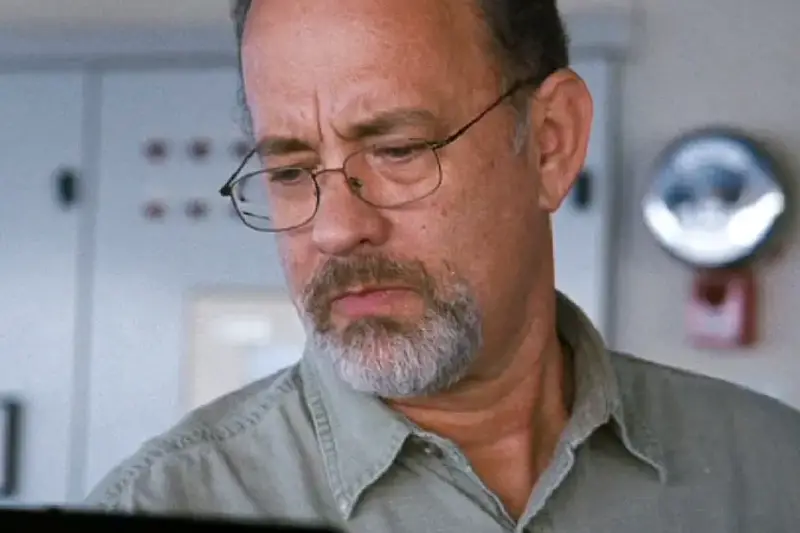
Tom Hanks
Portrayed Richard Phillips- Two-time Oscar-winning American actor.
- Prepared for the role by meeting with Phillips personally.
- Received critical praise, especially for the shock scene at the end of the film.
- Hanks received maritime training for the role and worked with real captains.
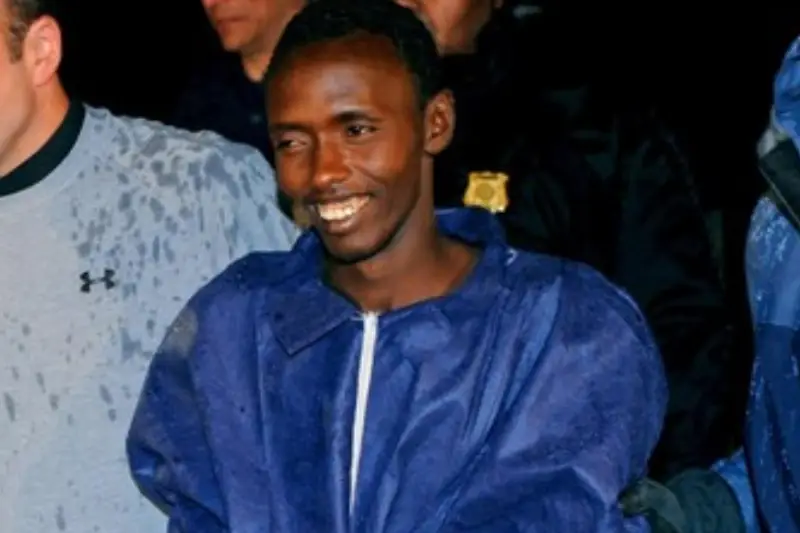
Abduwali Muse
Real Pirate Leader (1990–)- A young Somali, aged 18-19 at the time of the incident.
- Turned to piracy due to poverty and civil war.
- Was the only pirate captured alive during the operation.
- Convicted in the US and sentenced to 33 years and 9 months in prison.
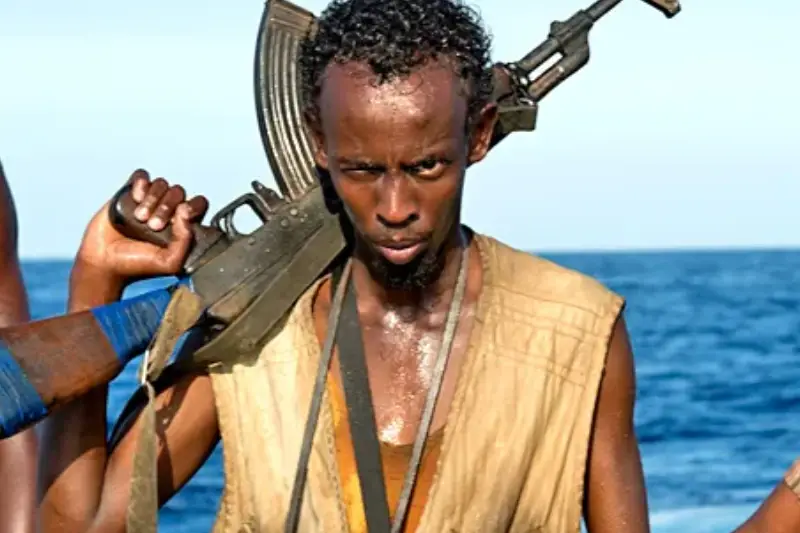
Barkhad Abdi
Portrayed Abduwali Muse- Somali-American actor and director.
- This film was his first acting experience.
- Nominated for an Oscar for Best Supporting Actor.
- Was cast from the Somali community in Minneapolis.

Mike Perry
Real Chief Mate- Was the Chief Mate of the Maersk Alabama.
- Took command of the ship after Phillips was taken hostage.
- Safely brought the crew to port.
- Left seafaring after the incident.

Michael Chernus
Portrayed Mike Perry- American theater and TV actor.
- Known for his role in "Orange is the New Black".
- Received training in maritime terminology for the role.
- Had the opportunity to meet the real Mike Perry.
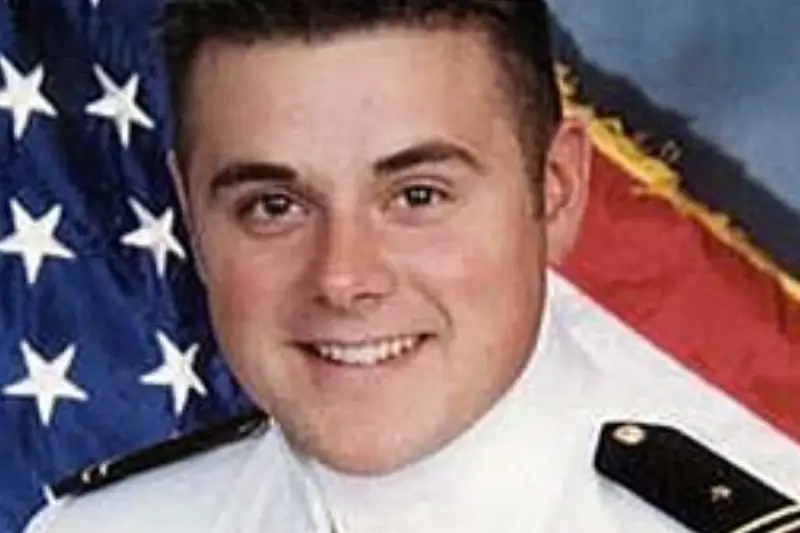
Shane Murphy
Real Chief Engineer- Was the Chief Engineer of the Maersk Alabama.
- Shut down the ship's engine room when the pirates arrived.
- Played a key role in organizing the crew's hiding.
- Continued his maritime career after the incident.

Chris Mulkey
Portrayed Shane Murphy- Experienced character actor.
- Appeared in over 200 productions in a career spanning 40+ years.
- Known for "Boardwalk Empire" and "Whiplash".
- Researched ship engineering for the role.
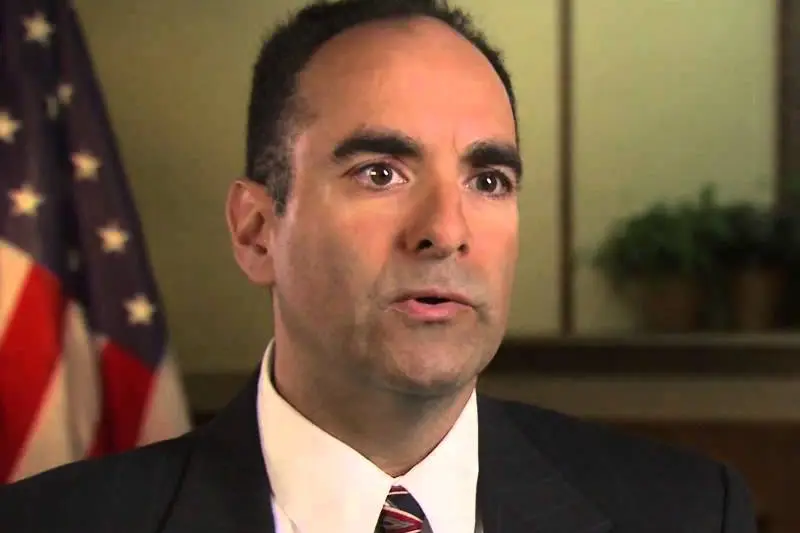
Frank Castellano
Real Navy Commander- Was the commander of the USS Bainbridge destroyer.
- Commanded the rescue operation on the ground.
- Was the person who negotiated directly with the pirates.
- Awarded a medal for the success of the operation.
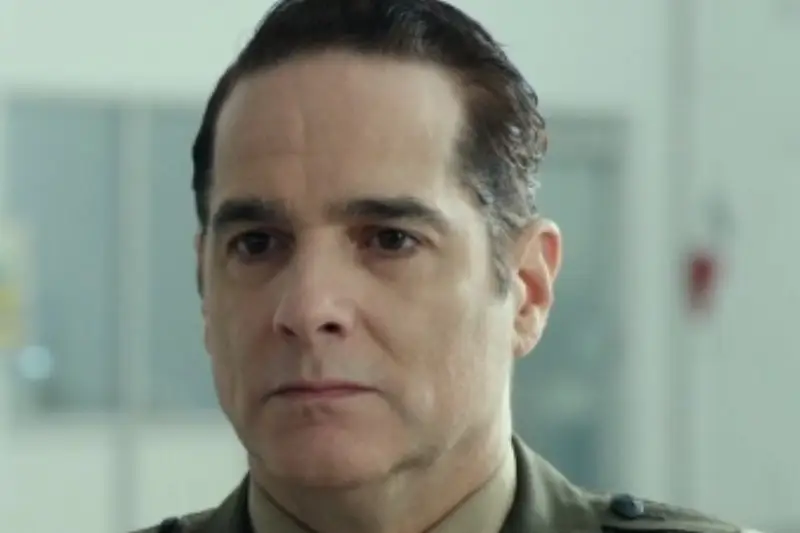
Yul Vazquez
Portrayed Commander Castellano- Cuban-American actor.
- Known for roles in "Seinfeld" and "Bad Boys II".
- Learned naval protocol and command structure for the role.
- Had the opportunity to work with real naval personnel.
How Accurate is the Film? Real Life vs. Film Comparison
While Captain Phillips largely accurately reflects the real events, it contains some changes and dramatizations for cinematic effect. Here are the important differences between reality and the film:
- In Reality: The pirates first attempted to board the ship on April 8, 2009, a day before the incident, but failed due to Phillips' maneuvers. They tried again the next day and succeeded.
- In the Film: These two separate attempts are combined into a single tense scene. This is a time compression done to increase the film's pace.
- In Reality: The crew managed to take one of the pirates hostage (different from Abduwali Muse) and held him for 12 hours. During this time, they talked to the pirate, giving him food and water.
- In the Film: The hostage-taking event is shown as shorter and more dramatic. Less detail is given to the human relationship the crew established with the pirate.
- In Reality: Phillips' decision to offer himself as a hostage was more complex. The pirates were already on the ship, and Phillips made this offer to get them away from the vessel.
- In the Film: The decision is presented as a more heroic and sudden sacrifice. This is a choice made to make Phillips' character more impressive.
- In Reality: During the 5-day hostage period in the lifeboat, there was more conversation and interaction between Phillips and the pirates. Phillips attempted to escape multiple times.
- In the Film: The tension inside the boat is kept at a maximum, and escape attempts are shown more dramatically. Psychological tension is foregrounded.
- In Reality: The Navy SEAL rescue operation occurred when the lifeboat was only 20-30 miles from the Somali coast. All three pirates were killed simultaneously by headshots.
- In the Film: The operation is depicted very close to reality. The SEALs' three simultaneous sniper shots and Phillips' rescue are shown exactly as in the real event.
Why You Must Watch Captain Phillips (10 Serious Reasons)
- One of Tom Hanks' Strongest Performances: Especially the shock and trauma scene at the end of the film is a masterclass in acting.
- A True Survival Story: The cinematic reflection of one of the most striking maritime incidents of modern times.
- Paul Greengrass' Realistic Direction: Greengrass, known from the "Bourne" series, pulls the viewer right into the heart of the event with handheld camera and realistic storytelling.
- Barkhad Abdi's Groundbreaking Debut Performance: A person with no acting experience delivering a performance strong enough to earn an Oscar nomination.
- Masterful Handling of Psychological Tension: A perfect example of how to create not just physical, but psychological tension.
- The Human Face of a Global Problem: Addressing the phenomenon of Somali piracy not just as action, but within its socio-economic context.
- Technical Excellence: A top-tier production with Oscar nominations in cinematography, editing, and sound design.
- A Detailed Portrayal of a Historical Event: An opportunity to learn the behind-the-scenes of a crisis watched by the entire world in 2009.
- A Deep Examination of Leadership and Sacrifice: A production that questions what leadership means under difficult conditions.
- A Modern Classic of the Thriller Genre: One of the rare films that locks the viewer to the screen from the first minute to the last.
Did Captain Phillips continue sailing after the incident?
No, Richard Phillips left active seafaring after the incident. He retired in 2014 and now works as a speaker. He also wrote a book titled "A Captain's Duty: Somali Pirates, Navy SEALs, and Dangerous Days at Sea".
Are the actors playing the pirates in the film actually Somali?
Yes, all four actors portraying the pirates (Barkhad Abdi, Barkhad Abdirahman, Faysal Ahmed, Mahat M. Ali) were cast from the Somali-American community in Minneapolis, Minnesota. This greatly enhanced the authenticity in the film.
What happened to the Maersk Alabama ship afterwards?
The Maersk Alabama continued to serve for a while after the incident. In 2010, it was attacked by pirates again off the coast of Somalia, but they were unsuccessful this time. The ship was renamed "MV Tygra" in 2011 and was sold for scrap in 2017.
How was the film received by the real crew members?
The real crew members have mixed feelings about the film. Some find it realistic, while others feel their heroism was not sufficiently emphasized. In particular, Mike Perry and Shane Murphy stated that the film highlights Phillips but does not adequately show the collective efforts of the crew.
How long did the Navy SEAL operation take?
The actual rescue operation took only seconds. Three Navy SEAL snipers identified the pirates' positions from the lifeboat's camera and, on Commander Frank Castellano's order, shot all three pirates in the head simultaneously. The entire operation lasted less than 3 seconds.
Where was the lifeboat scene in the film shot?
Most of the lifeboat scenes in the film were shot in a specially built tank in Malta. The tank could simulate ocean waves. Some open-sea scenes were actually shot off the coast of Malta. Tom Hanks and Barkhad Abdi had to work together for weeks in this cramped boat.
Read More
The Pianist
This masterpiece, which also bears traces of Roman Polanski's personal history, tells the story of the resilience of art and the human spirit in the face of the devastation of war.
The Pursuit of Happyness
The Pursuit of Happyness, with Will Smith's unforgettable performance, is a biographical drama that deeply affects the viewer.

Nuremberg
After World War II, as the scale of Nazi crimes became clear, the Allied forces prepared to try the architects of the Third Reich.