The Downfall (Der Untergang, 2004) – The Last Days of Adolf Hitler and the Collapse of Nazi Germany
Movies
In April 1945, Nazi Germany was on the brink of collapse. The Soviet army had surrounded Berlin, and the war had reached its inevitable end. Der Untergang (The Downfall) recounts, based on historical facts, Adolf Hitler's final days in the Führerbunker, the psychological disintegration experienced by his inner circle, and how the Third Reich disintegrated from within.
Table of Contents
Plot Summary
The Downfall (Der Untergang) takes place in Berlin in April 1945, during the final days of World War II. The Soviet Red Army has besieged the city, and Nazi Germany has completely collapsed militarily and politically. Adolf Hitler, along with his generals, secretaries, and closest associates, awaits his inevitable end in the Führerbunker, meters underground.
The film depicts with striking realism the rift between the commanders who know the war can no longer be won and Hitler, who still commands imaginary armies. While civilians, the elderly, and children are forced to defend the streets of Berlin, paranoia, denial, loyalty, and fear intertwine within the bunker. Eva Braun's decision to marry, Joseph Goebbels' fanatical devotion, and the suicides of the officers symbolize the moral and psychological collapse of the regime.
The Downfall, without resorting to propaganda or dramatic exaggeration, depicts the end of the Third Reich through human weaknesses, wrong decisions, and blind ideology. While focusing on the final days of a dictator, the film also reveals how a totalitarian system is crushed under the destruction it itself has created.
Real People vs Actors – Side-by-Side Comparison
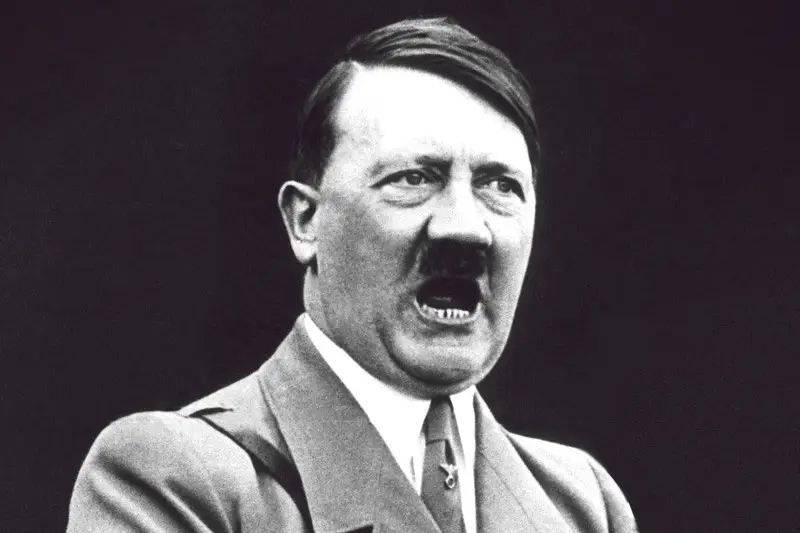
Adolf Hitler
Real Person (Leader of Nazi Germany)
- He was the dictator of Nazi Germany from 1933 to 1945.
- The architect of the policies that started World War II and the main perpetrator of the Holocaust.
- He spent his final days in April 1945 in Berlin, in the Führerbunker, refusing to accept defeat.
- He committed suicide with Eva Braun on April 30, 1945.
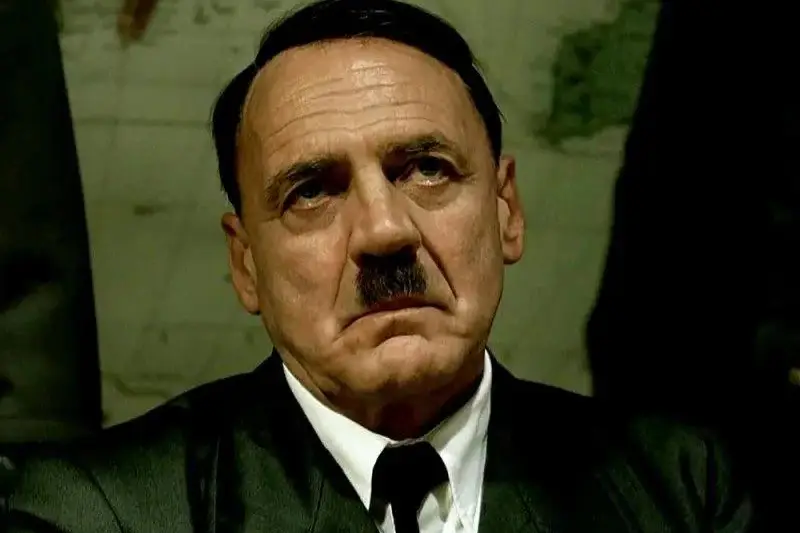
Bruno Ganz
Actor (Adolf Hitler)
- He portrayed Adolf Hitler in the film *Der Untergang* (The Downfall, 2004).
- He portrayed the physical collapse, outbursts of rage, and psychological disintegration with extreme realism.
- His performance is considered a turning point in cinematic history because he showed Hitler with his human weaknesses without glorifying him.
- This role is one of the most memorable performances in Bruno Ganz's career.
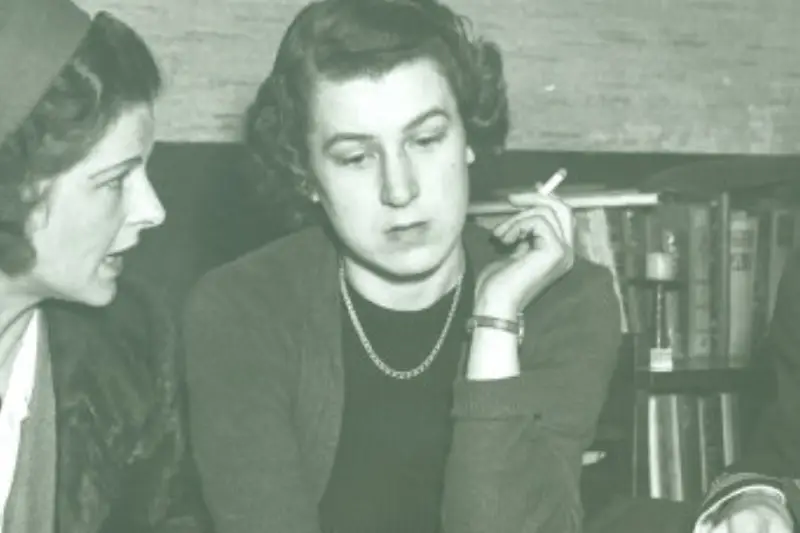
Traudl Junge
Real Person (Adolf Hitler’s Secretary)
- He served as Adolf Hitler's private secretary between 1942 and 1945.
- He witnessed firsthand the final days in the Führerbunker.
- He remained silent for many years after the war, later publishing his memoirs.
- His memoirs became one of the main sources for the film Der Untergang.
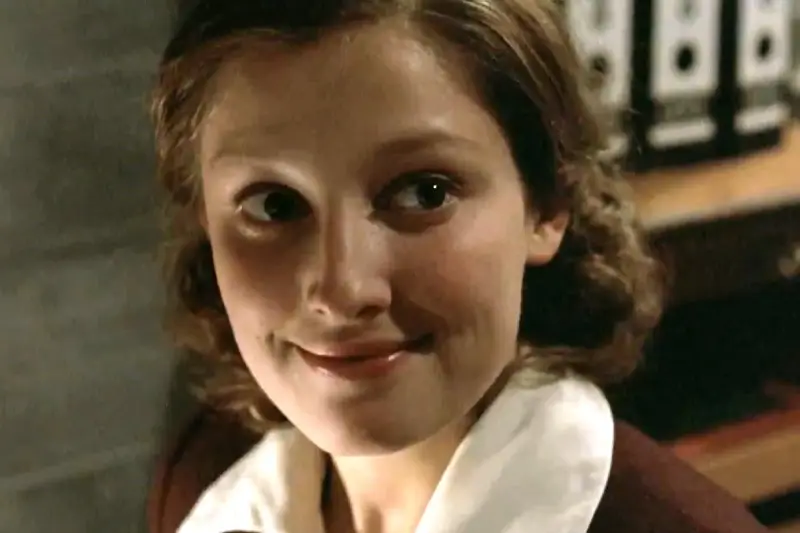
Alexandra Maria Lara
Actress (Traudl Junge)
- She portrayed Traudl Junge in the film *Der Untergang* (The Downfall, 2004).
- She reflected the moral awakening of a naive, young, and politically unaware secretary with understated acting.
- She is the main point of view character who allows the audience to watch the events “from inside the bunker.”
- Her performance is considered the emotional backbone of the film.
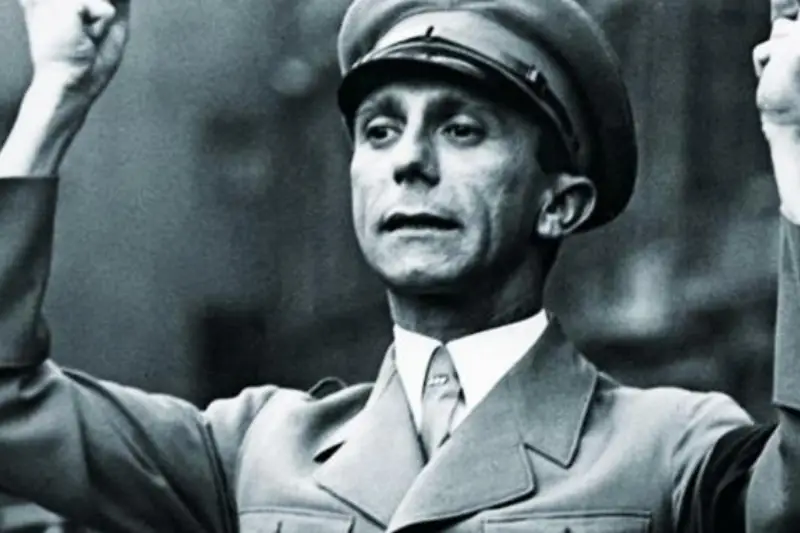
Joseph Goebbels
Real Person (Nazi Propaganda Minister)
- He was the Propaganda Minister of Nazi Germany and one of Hitler's most fanatical supporters.
- He was the architect of mass manipulation, propaganda, and media control.
- He chose to remain in the Führerbunker during the fall of Berlin.
- On May 1, 1945, he poisoned his wife Magda and their six children, then committed suicide.
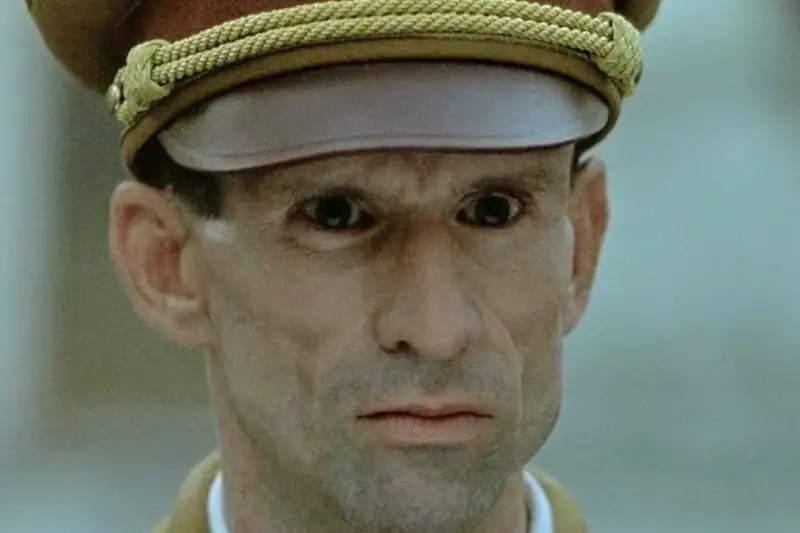
Ulrich Matthes
Actor (Joseph Goebbels)
- He portrayed Joseph Goebbels in the film *Der Untergang* (The Downfall, 2004).
- He reflected his fanatical loyalty, cold-blooded ruthlessness, and ideological blindness with striking realism.
- The scenes where he says goodbye to his children are among the most unsettling moments of the film.
- His performance clearly reveals the human catastrophe of Goebbels' ideological obsession.
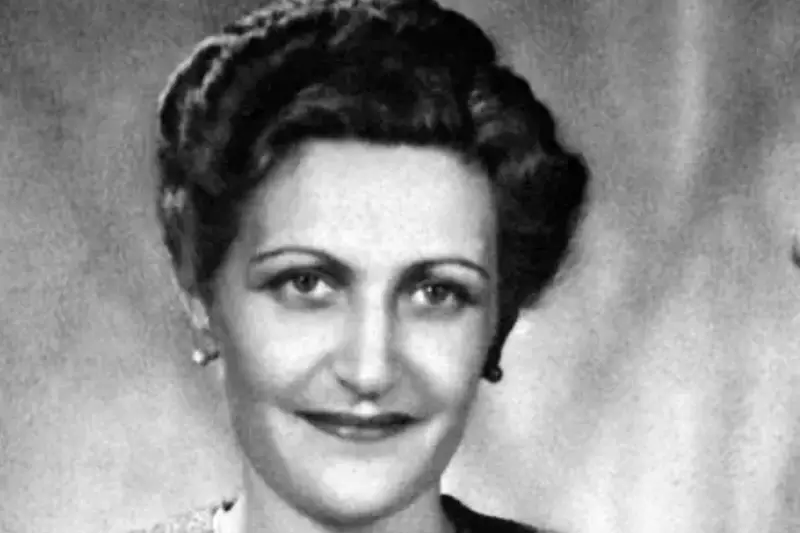
Magda Goebbels
Real Person (Joseph Goebbels'in Eşi)
-
She was the wife of Joseph Goebbels and presented as the "exemplary mother" figure of the Nazi regime.
She was known for her fanatical devotion to Hitler and remained in the Führerbunker during the fall of Berlin.
On May 1, 1945, she committed suicide with her husband after killing her six children with cyanide. This decision is seen as one of the most tragic points reached by ideological blindness.
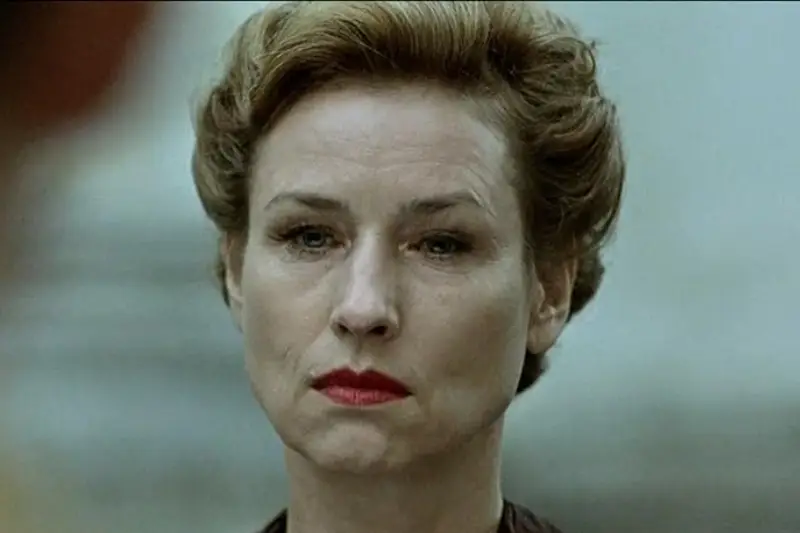
Corinna Harfouch
Actress (Magda Goebbels)
- She portrayed Magda Goebbels in the film *Der Untergang* (The Downfall, 2004).
- She created a cold-blooded, devout, and ideologically unwavering character.
- In the scenes involving her children, she simultaneously reflected emotional manipulation and fanaticism.
- Her performance is one of the elements that carries the most disturbing and unforgettable moments of the film.

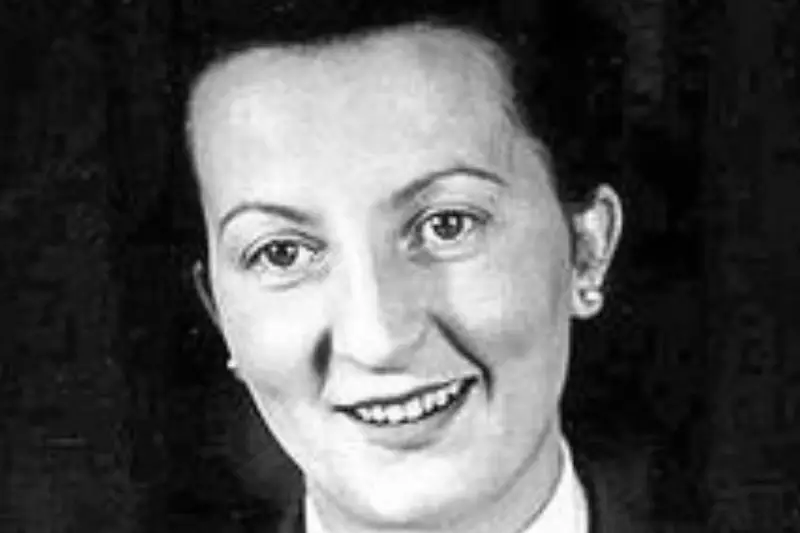
Eva Braun
Real Person (Adolf Hitler’s Wife)
- Adolf Hitler's long-kept partner and wife, whom he married on April 29, 1945.
- She had no official political role in the Nazi regime, but she never left Hitler's side during his final days in the Führerbunker.
- She attracted attention with her cheerful and nonchalant attitude despite the collapse of the regime.
- She committed suicide with Adolf Hitler on April 30, 1945.
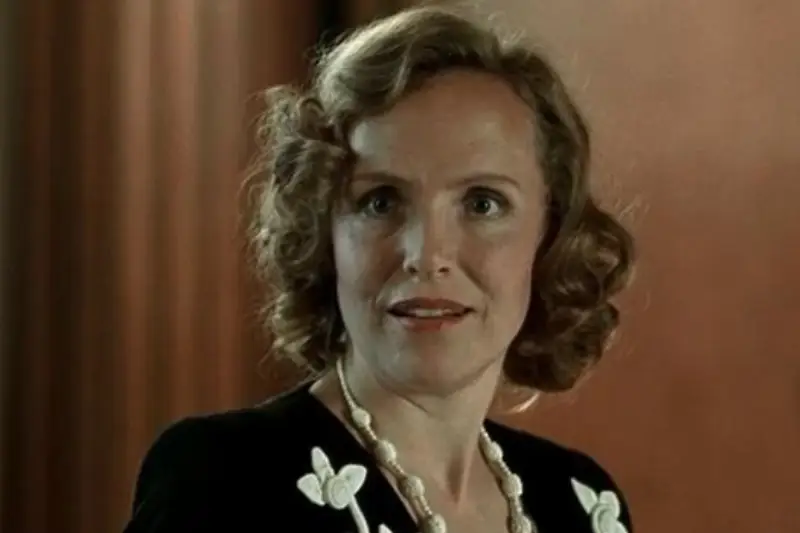
Juliane Köhler
Actress (Eva Braun)
- She portrayed Eva Braun in the film *Der Untergang* (The Downfall, 2004).
- She created a portrait that maintained optimism even in the midst of war, a portrait detached from reality but still human.
- Her nonchalance in *The Bunker* creates a powerful contrast with the impending catastrophe.
- Her performance is an important narrative element symbolizing the blindness of totalitarian regimes in everyday life.
Gerda Christian
Real Person (Adolf Hitler’s Secretary)
- He served as one of Adolf Hitler's private secretaries from the late 1930s to 1945.
- He was among the small group that witnessed the final days in the Führerbunker.
- He was one of the few civilian personnel who managed to escape the bunker during the collapse of the regime.
- He led a life away from politics after the war.

Birgit Minichmayr
Actress (Gerda Christian)
- She portrayed Gerda Christian in the film *Der Untergang* (The Downfall, 2004).
- She reflected the state of mind of a quiet, obedient, and fearful civilian employee with understated acting.
- She conveyed the tension and despair in the bunker with unexaggerated details.
- Her performance represents the helplessness experienced by ordinary people in the final days of the regime.
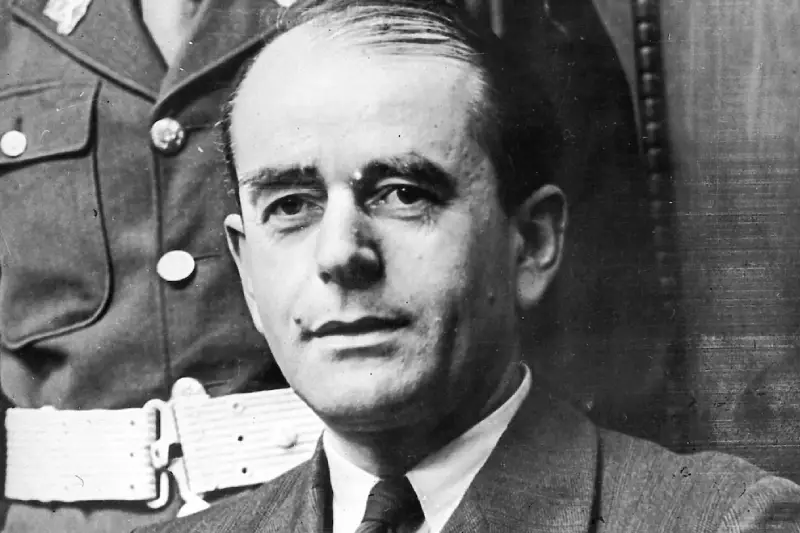
Albert Speer
Real Person (Nazi Armaments Minister)
- Chief architect of Nazi Germany and later Minister of Armaments and War Production.
- As one of Hitler's most trusted figures, he managed the technical and industrial backbone of the regime.
- In the final stages of the war, he opposed the "burn and destroy order" and tried to prevent the complete destruction of infrastructure.
- At the Nuremberg Trials, he was the only high-ranking Nazi to partially plead guilty and received a 20-year prison sentence.
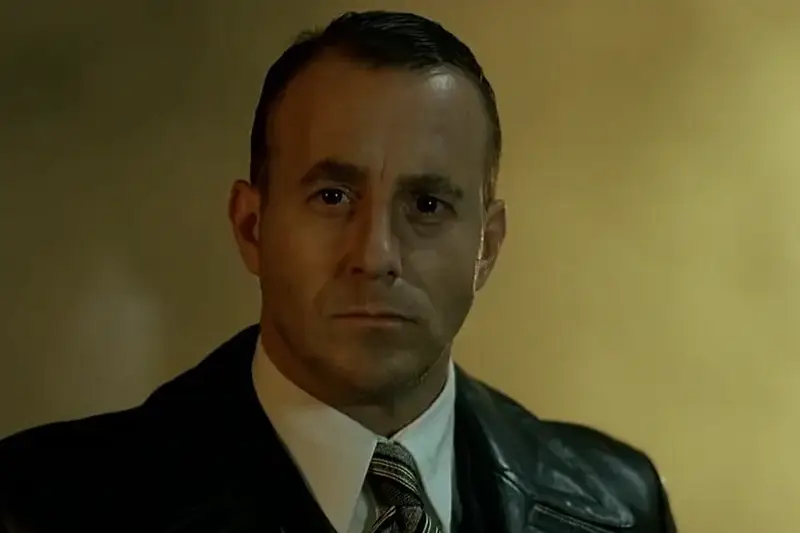
Heino Ferch
Actor (Albert Speer)
- He portrayed Albert Speer in the film *Der Untergang* (The Downfall, 2004).
- He painted a portrait of a man caught between regret and responsibility, trying to distance himself from the regime.
- As one of the rare figures who openly opposed Hitler, he represents one of the film's moral tension points.
- His performance offers a cool and measured interpretation that questions the "good Nazi" debate.
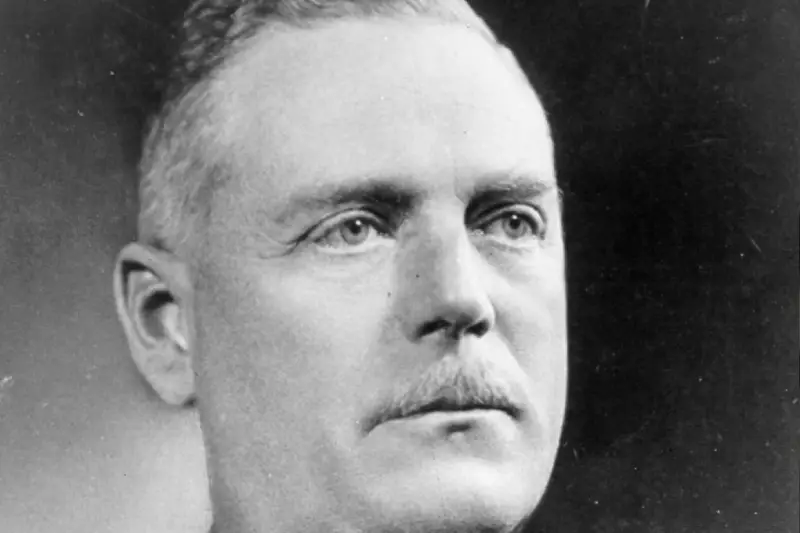
Wilhelm Keitel
Real Person (Nazi Germany Chief of Staff)
- He headed the Supreme Command of the Nazi German Armed Forces (OKW) throughout World War II.
- He was known for his unconditional obedience to Hitler and signed orders that paved the way for many war crimes.
- He is known as a militarily weak but politically completely loyal figure.
- He was found guilty of war crimes at the Nuremberg Trials and executed in 1946.
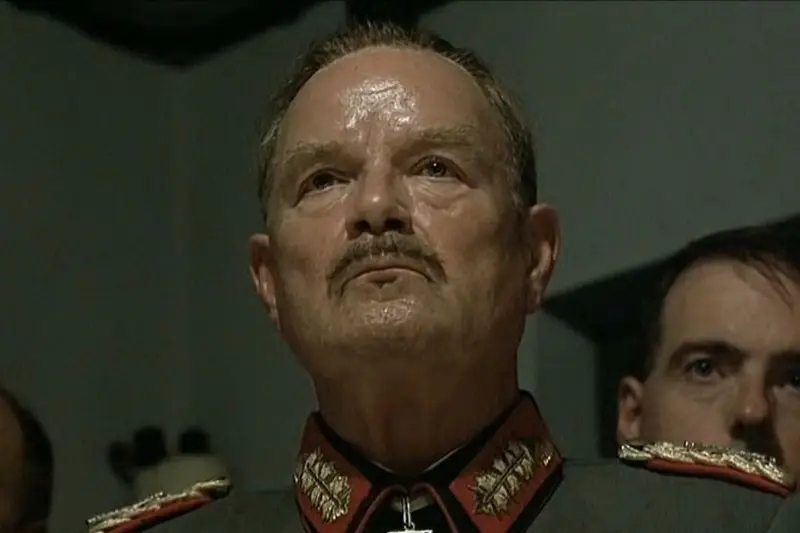
Dieter Mann
Actor (Wilhelm Keitel)
- He portrayed Wilhelm Keitel in the film *Der Untergang* (The Downfall, 2004).
- He depicted a submissive soldier, powerless and fearful in the face of authority.
- His helplessness in the face of Hitler and his unquestioning execution of orders symbolize the military collapse of the regime.
- His performance reflects the tragic consequences of a chain of command based on blind obedience in a simple but effective way.
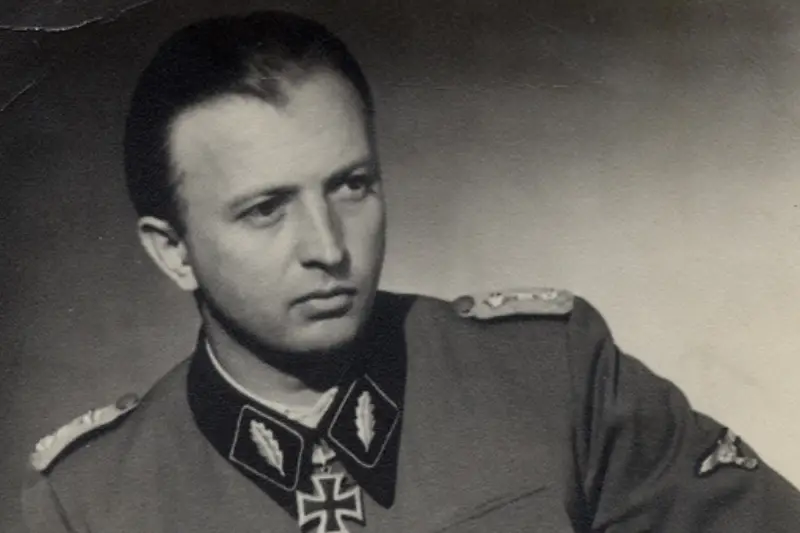
Hermann Fegelein
Real Person (SS General)
- A Nazi officer who rose to the rank of SS-Gruppenführer.
- He was married to Gretl Braun, Eva Braun's sister, and was part of Hitler's inner circle.
- During the fall of Berlin, he attempted to abandon his post and flee.
- He was executed in the Führerbunker on April 28, 1945, on charges of desertion and treason.
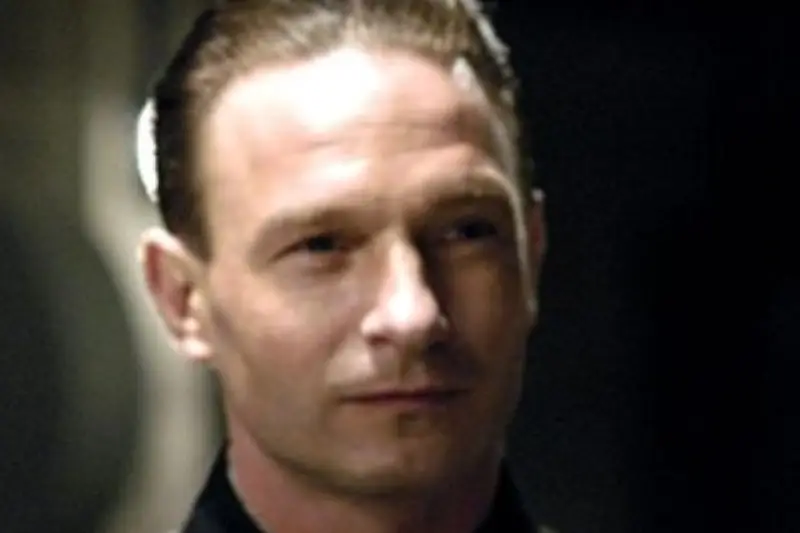
Thomas Kretschmann
Actor (Hermann Fegelein)
- He portrayed Hermann Fegelein in the film *Der Untergang* (The Downfall, 2004).
- He depicted an undisciplined, self-serving, and panicked officer.
- He is one of the key characters representing the moral decay in the Bunker and the internal collapse of the regime.
- His performance powerfully reflects how loyalty dissolves rapidly in times of chaos.
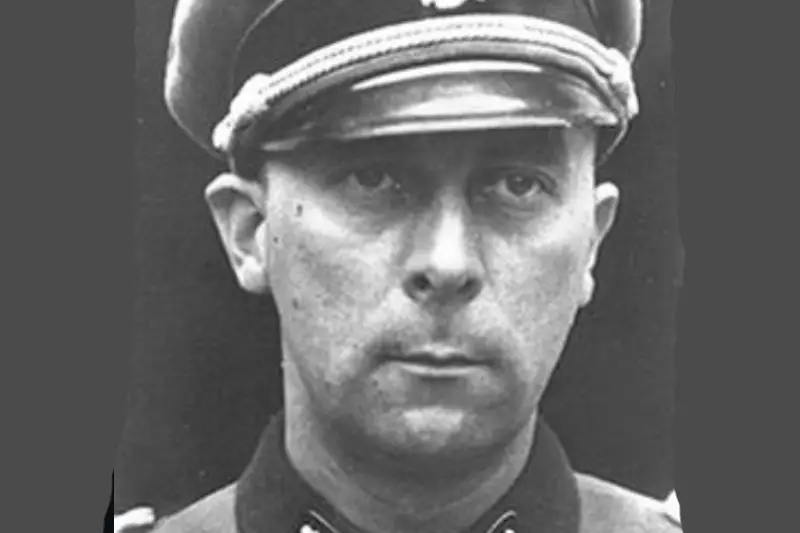
Wilhelm Mohnke
Real Person (SS General • Berlin Defense)
- He held the rank of SS-Brigadeführer and commanded the central defense units during the Battle of Berlin.
- He was one of the top commanders responsible for the military security of the Führerbunker.
- He organized the plans to exit the bunker after Hitler's death.
- He survived the war; despite allegations of war crimes, he died in 2001 without being tried.
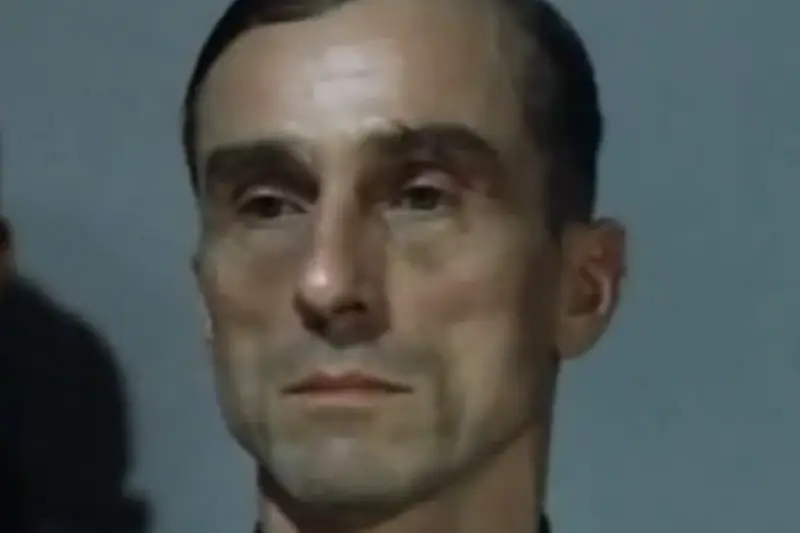
André Hennicke
Actor (Wilhelm Mohnke)
- He portrayed Wilhelm Mohnke in the film *Der Untergang* (The Downfall, 2004).
- He depicted a tough, disciplined commander who had faced military realities.
- He successfully reflected the tension between loyalty to the regime and military logic.
- His performance represents the despair and search for order in the final defense of Berlin.
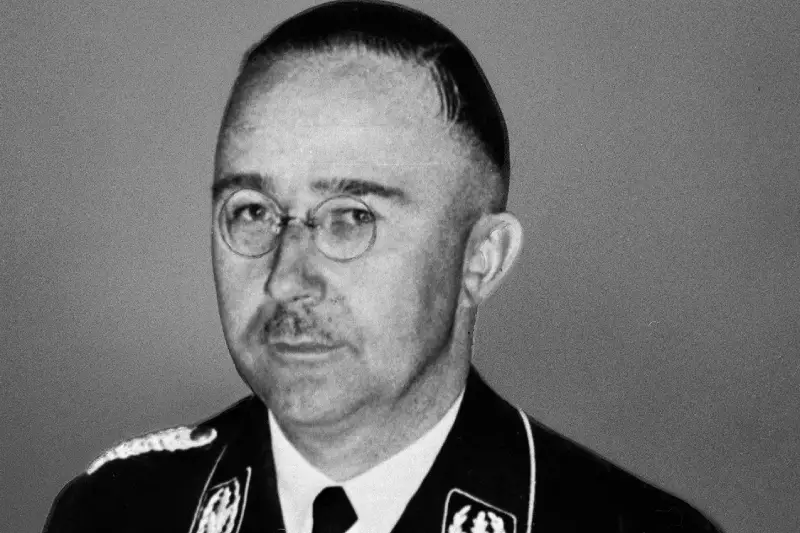
Heinrich Himmler
Real Person (SS Leader)
- He was the head of the SS organization of Nazi Germany and one of the main architects of the Holocaust.
- He played a central role in the establishment of the Gestapo and the concentration camp system.
- In the final days of the war, he betrayed Hitler by making secret peace attempts with the Western Allies.
- He committed suicide with a cyanide capsule shortly after being captured in May 1945.
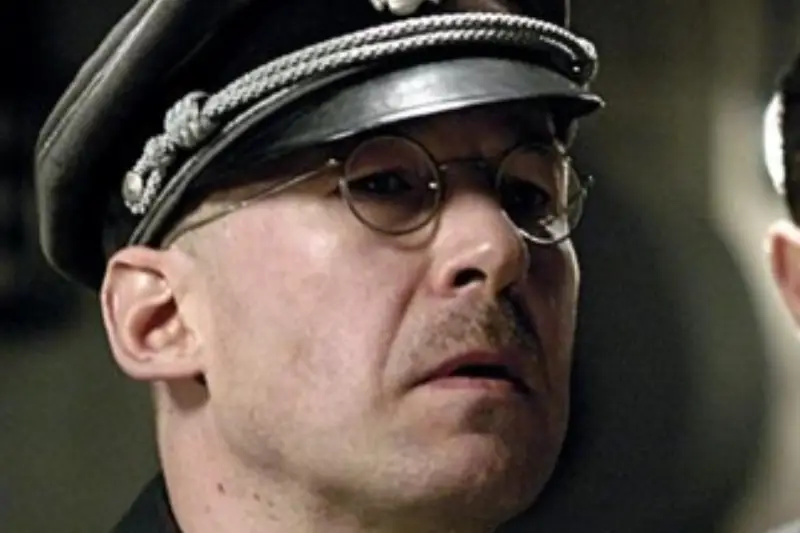
Ulrich Noethen
Actor (Heinrich Himmler)
- He portrayed Heinrich Himmler in the film *Der Untergang* (The Downfall, 2004).
- He depicted Himmler's fanaticism from behind the scenes, portraying a cold, bureaucratic, and hypocritical character.
- He particularly stood out in scenes representing his secret peace initiatives against Hitler.
- His performance highlights the cowardly and self-serving aspects of one of the regime's most ruthless figures.
Downfall (2004) – Full Historical Accuracy Breakdown (What’s Real vs What’s Fiction)
Although *Der Untergang* (Downfall) is largely based on historical sources and testimonies, it intensifies and dramatizes certain events for the sake of cinematic storytelling. Below are the key similarities and differences between what is shown in the film and historical facts:
Facts that Directly Match the Film
- The Siege of Berlin (April 1945): The Soviet Red Army's encirclement of Berlin and the fighting within the city are depicted in the film in accordance with historical records.
- The Atmosphere in the Führerbunker: Hitler's paranoia, outbursts of rage, and detachment from reality in his underground bunker are consistent with eyewitness accounts.
- Hitler's Marriage and Suicide: His marriage to Eva Braun on April 29th and their suicide together on April 30th, 1945, are historically accurate.
- The Fate of the Goebbels Family: Magda and Joseph Goebbels killing their six children and committing suicide occurred as depicted in the film.
Dramatic Intensification and Cinematic Interpretations
- Hitler's individual scenes: While the outbursts of anger and monologues are based on real testimonies, some scenes have been intensified to enhance dramatic effect.
- Time compression: Some events shown in the film as having occurred within a few days actually spanned a longer period.
- Representation of supporting characters: Some officers and civilian figures have been combined or highlighted to simplify the narrative.
Difference in Perspective
The film largely recounts events through the testimonies of Traudl Junge. This choice tells the story "from inside the bunker" and with the limited information available to civilians. Consequently, strategic developments outside the front lines are deliberately left in the background.
Overall Assessment
Without resorting to propaganda or glorifying history, *Der Untergang* depicts the final days of the Third Reich through the lens of human weakness and ideological blindness. While maintaining a high degree of fidelity to historical facts, the film presents the viewer with a portrait of psychological collapse through its dramatic narrative. In this respect, it is considered one of the most realistic portrayals of the end of World War II in cinema.
Downfall (2004) Movie Final Verdict
Instead of spectacular battle scenes, *Der Untergang* (Downfall) traps the viewer in the suffocating atmosphere of the Führerbunker by opting for enclosed spaces, narrow frames, and a simple narrative style. The film consciously avoids being an epic war film; instead, it focuses on the psychological and human dimensions of the downfall.
The camera work relies heavily on handheld cameras and medium-close-up shots. This preference eliminates the distance between the characters and the viewer. The close-ups used, particularly during Hitler's outbursts of rage, strikingly reveal his physical collapse, tremors, and loss of control over his facial expressions.
Another important element of the film is spatial confinement. As the scene progresses, the corridors narrow, the rooms shrink, and the ceilings feel low. This visual compression symbolizes the political and psychological suffocation of the Third Reich. The outdoor scenes are short and chaotic; the destruction of Berlin remains in the background, while the disconnect within the bunker becomes even more pronounced.
The color palette is deliberately composed of pale, gray, and dull tones. The almost complete absence of vibrant colors evokes a sense of exhaustion in the idea of hope and the future. The lighting is natural and harsh in most scenes; shadows divide faces, visualizing the characters' internal conflicts.
The use of music is extremely limited. The film does not rely on music to enhance dramatic effect; instead, silence, footsteps, explosion echoes, and breathing take center stage. This choice prevents the viewer from being emotionally manipulated and allows them to perceive events with a more documentary-like realism.
Overall, the narrative style of Der Untergang invites the viewer to witness rather than to direct them. The camera neither judges nor glorifies; it simply records. This detached yet intimate narrative style is one of the fundamental elements that makes the film's historical weight and disturbing reality enduring.
Why You Absolutely Must Watch It – 10 Epic Reasons
-
It tells the story of World War II from a different perspective.
The film shows not the front lines, but the decision-making center; it lets you watch how the war was lost and how power collapsed from inside a bunker.
-
Bruno Ganz's unforgettable performance
His performance, which portrays Hitler without caricature or glorification, but through his physical and mental collapse, is one of the most effective in cinematic history.
-
High fidelity to historical events
The film is based on Traudl Junge's testimonies and reliable historical sources; it is dramatic but well-founded.
-
It does not propagandize, it does not judge
The camera neither defends nor exonerates; it records events with an unsettling neutrality that disturbs the viewer.
-
It reveals the true face of totalitarian regimes
It clearly shows how blind obedience, fear, denial, and ideological fanaticism lead people to disaster.
-
It raises powerful moral questions through its supporting characters
Characters like Traudl Junge, Albert Speer, and the Goebbels family make us question the concepts of "crime," "responsibility," and "silence."
-
It realistically reflects the chaos of the final days of the war.
The disorder, despair, and civilian tragedies in the streets of Berlin are depicted in short but striking scenes.
-
Minimum music, maximum impact
Instead of imposing emotion, it creates tension with silence and real sounds; this makes the film more unsettling.
-
The courage to confront history
This is one of the rare and important examples of German cinema honestly coming to terms with its own past.
-
It still holds lessons for today
Der Untergang doesn't just tell the story of the past; it brings to the present what blind adherence to power and silence can lead to.
More
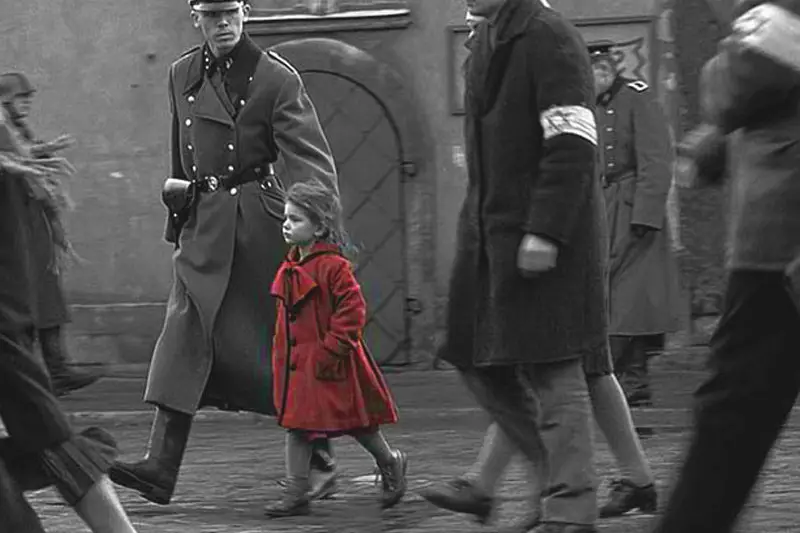
Schindler's List
Schindler's List, a masterpiece from 1993, has been written in gold letters in the history of cinema. Directed by Steven Spielberg, this black-and-white drama is adapted from a true story and reveals the brutal reality of the Holocaust.
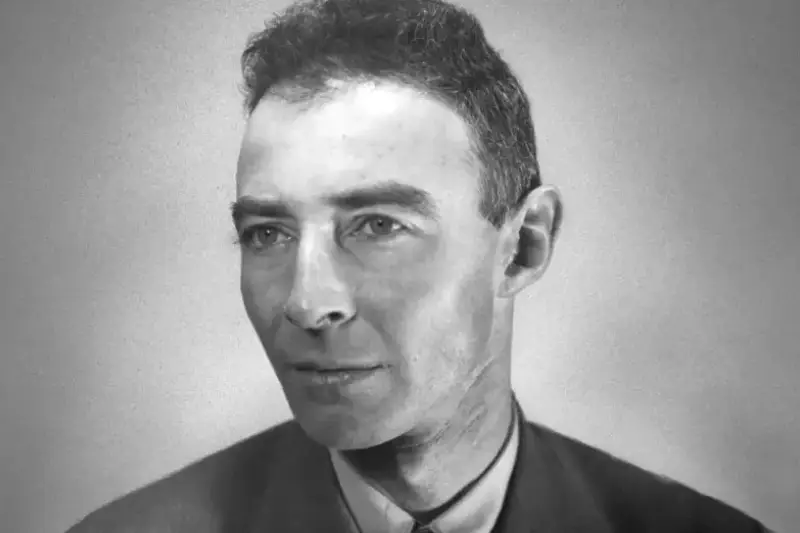
Oppenheimer
The 2023 film Oppenheimer, directed by Christopher Nolan, is a legendary biographical film about the life of J. Robert Oppenheimer, the inventor of the atomic bomb. Nominated for 13 Oscars and winning 7, it remains one of the most talked-about films in the world.

American Sniper
The true story of Chris Kyle, the deadliest sniper in American history with 160 verified kills… Directed by Clint Eastwood, and starring Bradley Cooper who gained 23 kilos, the film blends the heroism of war with the hell of returning home.